Madagascar is the largest island in Africa and the fourth largest island in the world, with an area of about 587,000 square kilometres. It is not an archipelago: it is one very large island surrounded by many smaller ones.
Quick answers
- What is the largest island in Africa? Madagascar.
- How big is it? About 587,000 square kilometres, slightly larger than France.
- Where is it? In the Indian Ocean, roughly 400 kilometres off the south-east coast of Africa, across the Mozambique Channel.
- Where does it rank? Fourth largest island in the world, after Greenland, New Guinea and Borneo, and the second largest island country after Indonesia.
Is Madagascar an archipelago?
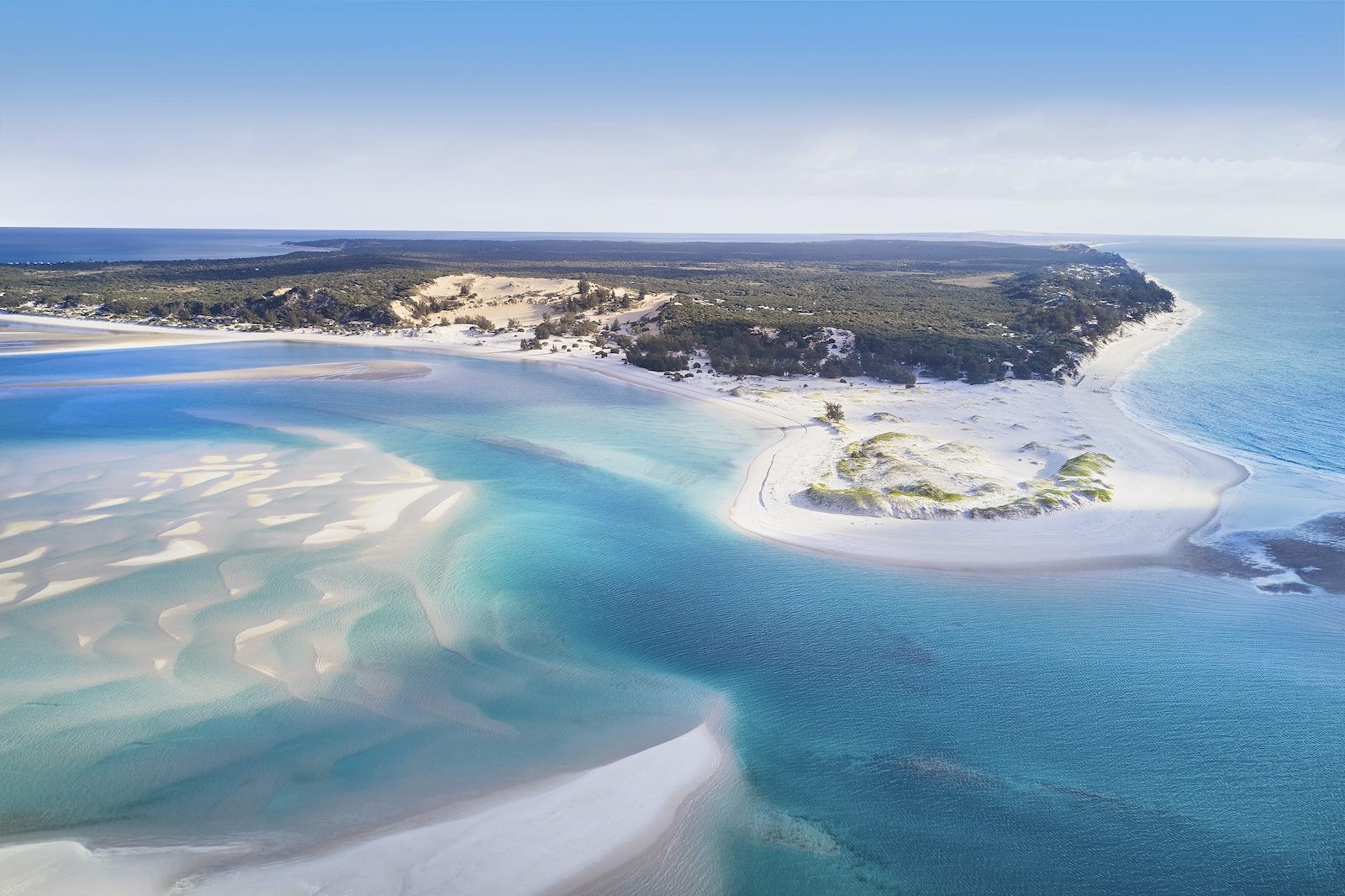
No. An archipelago is a chain or cluster of islands of similar scale, such as Hawaii or the Bazaruto Archipelago in Mozambique. Madagascar is a single main island, with a country built around it that also includes numerous smaller peripheral islands. The confusion usually comes from its neighbours. The Comoros, Mauritius, Réunion and the Seychelles are separate island groups and countries in the same part of the Indian Ocean.
Why Madagascar is so extraordinary
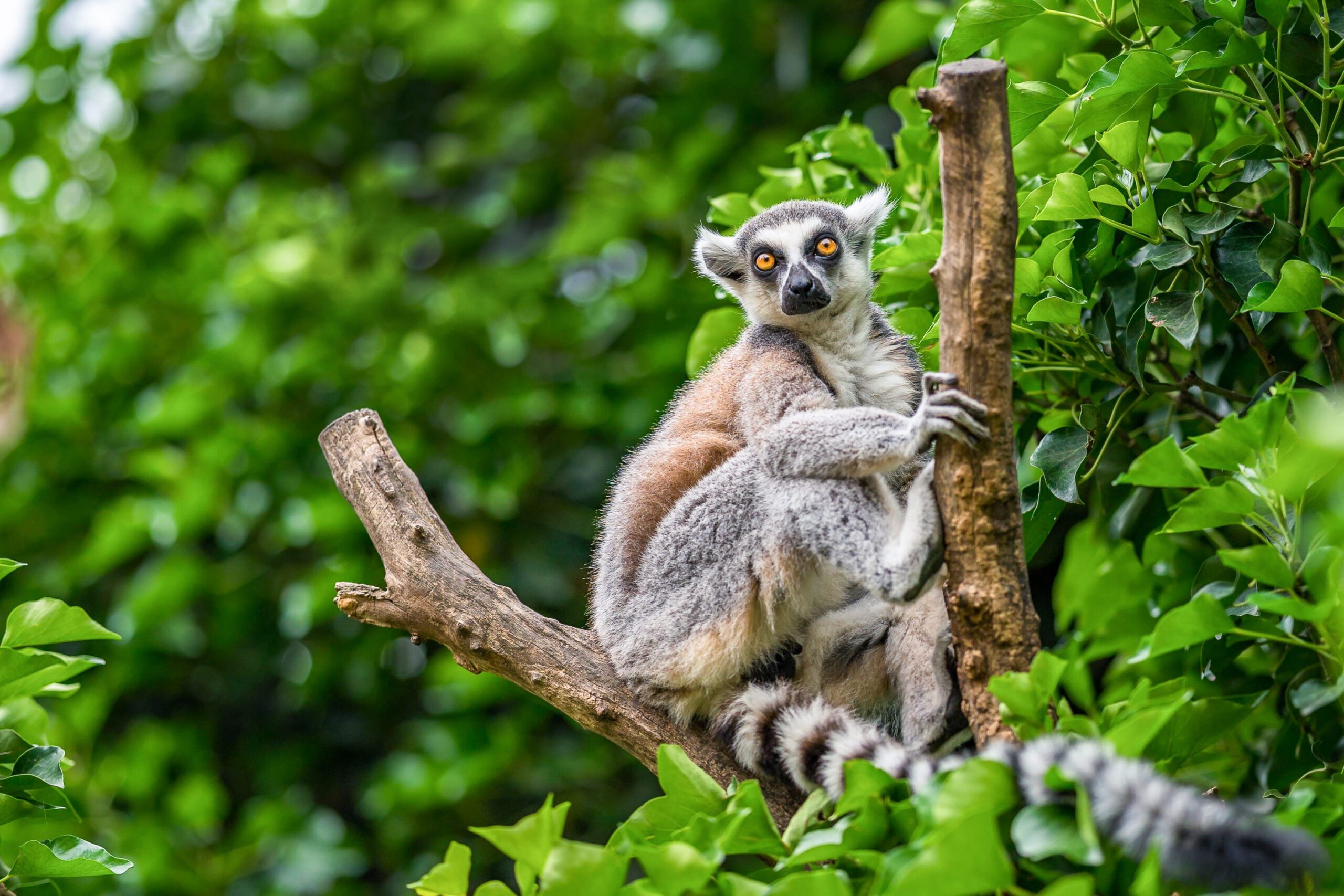
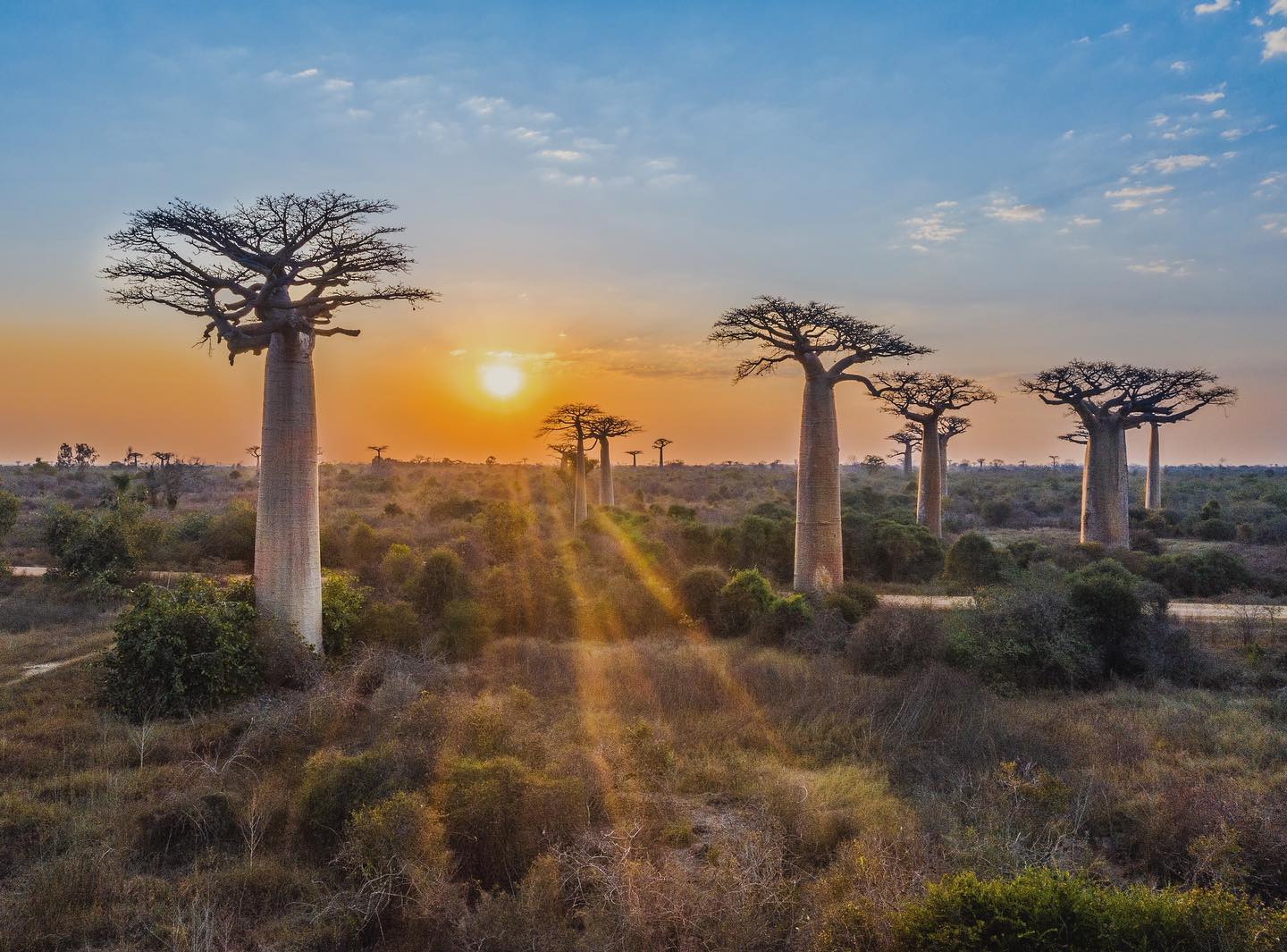
Madagascar separated from the African mainland well over 100 million years ago, and later from India, around 88 million years ago. Its plants and animals evolved in isolation, and roughly 90 percent of its wildlife is found nowhere else, from lemurs and chameleons to its baobabs. The Malagasy word for island is nosy, which appears in the names of many of its smaller islands. See Madagascar on Wikipedia for the geography and history.
The main islands around Madagascar
| Island | Where | What it is known for |
|---|---|---|
| Nosy Be | North-west, a short crossing offshore | The largest and busiest of Madagascar's islands |
| Nosy Komba | Between Nosy Be and the mainland | Its name is often translated as island of lemurs; forests and snorkelling |
| Nosy Boraha (Sainte-Marie) | East coast | A former pirate haven; humpback whales pass close inshore in season |
| Île aux Nattes (Nosy Nato) | South of Sainte-Marie | A small, car-free island with a quiet beach |
| Nosy Iranja | Near Nosy Be | Two islets joined by a sandbar and clear water |
| Nosy Ankao | Far north-east | Remote and exclusive, reached by a short flight; read our note on its lemurs and conservation work |
The liane de Madagascar
Liane is the French word for a woody climbing vine, a liana, and Madagascar's forests have many. When people search for the liane de Madagascar, the best-documented plant is the Madagascar rubber vine, Cryptostegia madagascariensis. It is a woody climber native to the west and north of the island, with glossy leaves and showy purple flowers. Its milky sap was once used to make rubber, and it is toxic if eaten, so gloves are advised when handling it. Outside Madagascar it has become an invasive species in places such as Australia and parts of the Americas.
Planning a visit
Most travellers reach Madagascar through Antananarivo or fly directly into Nosy Be. The island's size means distances are long and roads slow, so most visitors combine one region of the mainland with an island stay. Work out your travel time with our guide to how long it takes to fly to Africa.
On our Salt & Culture journey, islands are the heart of the story. We pair the Mozambican coast with a stay on Nosy Ankao, off Madagascar's far north, so you experience the Indian Ocean as a place of culture as much as scenery. The other island in the story is Benguerra, covered in our note on Kisawa Sanctuary.
Sources: Wikipedia, Madagascar; Wikipedia, Nosy Be; Wikipedia, Cryptostegia madagascariensis. Checked November 2026.
Frequently asked questions
What is the largest island in Africa?
Madagascar, at about 587,000 square kilometres.
Is Madagascar the fourth largest island in the world?
Yes, after Greenland, New Guinea and Borneo.
Is Madagascar an archipelago?
No. It is one main island with many smaller islands around it.
What islands are near Madagascar?
Nosy Be, Nosy Komba, Nosy Boraha (Sainte-Marie), Nosy Iranja and Nosy Ankao are among the best known.
What is the liane de Madagascar?
A French term for a Madagascan climbing vine, most often identified with the Madagascar rubber vine, Cryptostegia madagascariensis.