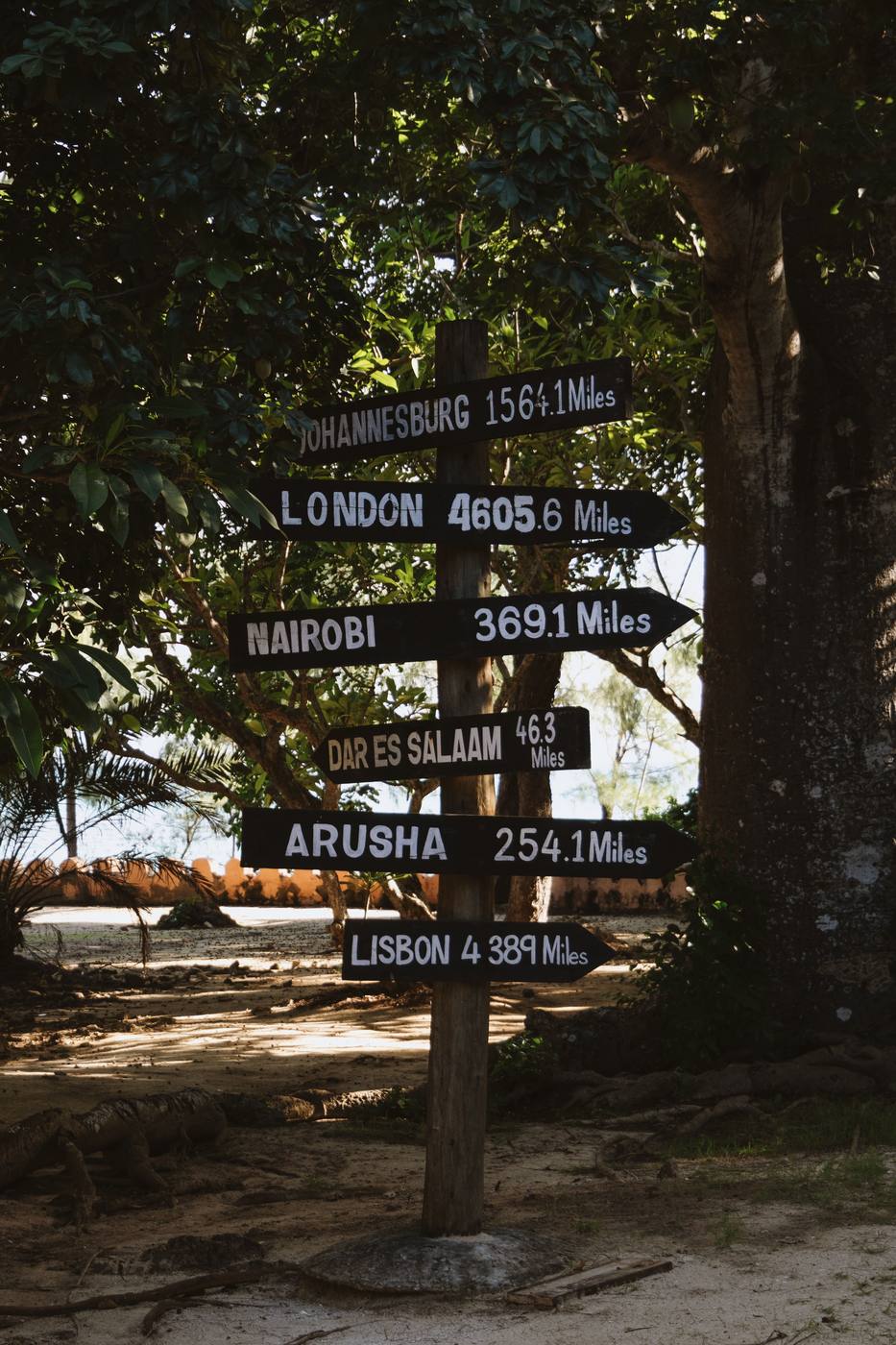
From the United States, a nonstop flight to Johannesburg takes about 15 hours, and door-to-camp usually takes 24 to 36 hours once you add a connection and a bush flight. From Europe, the main flight is about 11 hours.
Flight times at a glance
These are typical flying times. Your exact duration varies by airline, season and wind, and nonstop service changes, so check the schedule when you book.
| From | To | Nonstop flight time | With one connection |
|---|---|---|---|
| New York (Newark) | Johannesburg | About 15 hours | 17 to 24 hours |
| Atlanta | Johannesburg | About 15 to 16 hours | 18 to 24 hours |
| New York (JFK) | Nairobi | About 13.5 hours | 16 to 20 hours |
| Los Angeles | Johannesburg or Cape Town | No nonstop | About 21 to 22 hours |
| London | Johannesburg | About 11 to 11.5 hours | 13 to 16 hours |
| Frankfurt, Amsterdam, Paris | Johannesburg | About 10.5 to 12 hours | 13 to 16 hours |
Why Johannesburg is the usual gateway
For southern Africa, Johannesburg (OR Tambo) is the main hub. It has the most international arrivals, and nearly every regional airline connects from there to Zambia, Zimbabwe, Mozambique and Malawi. Cape Town and Nairobi are alternatives, but they usually add a connection.
From the airport to the airstrip
The long-haul flight is only part of the journey. Allow for these stages:
- Long-haul flight: 11 to 16 hours, often overnight.
- Arrival and immigration: one to two hours, longer if you need a visa on arrival.
- Regional connection: about one to three hours in the air from Johannesburg to a safari gateway such as Lusaka or Lilongwe.
- Bush flight to camp: 30 minutes to two hours, depending on the route.
Add layovers and buffer time, and the realistic total is 24 to 36 hours from your front door.
Time zones and jet lag
South Africa runs on UTC+2 all year and does not observe daylight saving, so it is six hours ahead of New York in winter and seven in summer, and one to two hours ahead of London depending on the season. Because you fly mostly south rather than across time zones, jet lag from Europe is minimal. From the US, an overnight flight and an early first game drive help your body clock reset quickly.
How to plan the journey well
- Arrive a day early. A night at a Johannesburg hotel absorbs delays, and bush flights depart on fixed schedules that will not wait for a late connection.
- Book the long-haul as a single ticket with your regional connection, so the airline protects you if a leg is delayed.
- Fly overnight and sleep on the plane. Arrive rested and start the safari on local time.
- Pack for the weight limit. Your bush flights have strict allowances: see our baggage guide.
- Sort your paperwork early. Our passport and visa guide covers the 2026 changes.
Is the journey worth it?
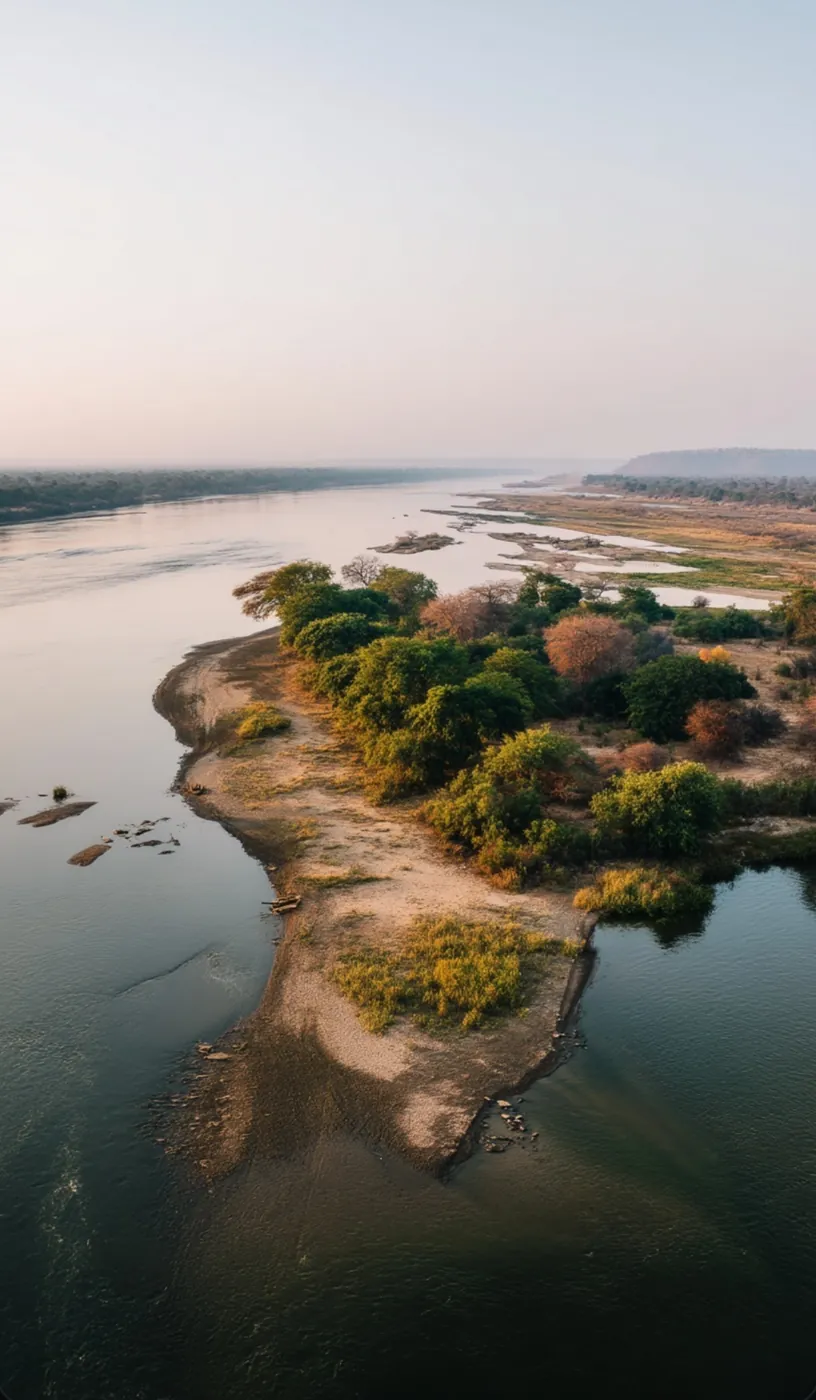
Everyone who has done it says yes. The distance is part of what keeps these places wild. Walking among elephants on the Zambezi floodplain, as on the Mana Pools leg of our circuit (read about it here), or watching the sun set over Lake Malawi, is one of the few experiences that fully justifies the flight. Our guide to the best month for a four-country safari will help you choose when to go.
Flight durations are typical airline schedule figures. For the airport, see OR Tambo International Airport on Wikipedia, and for South Africa's time zone see South African Standard Time. Checked November 2026.
Frequently asked questions
How long is the flight from New York to South Africa?
About 15 hours nonstop from Newark to Johannesburg. Connecting itineraries take 17 to 24 hours.
How long does it take to get to a safari lodge?
Typically 24 to 36 hours door to camp, including a regional flight and a bush transfer.
Which airport should I fly into for a safari?
Johannesburg for southern Africa, and Nairobi for East Africa.
Will I get jet lag?
From Europe, very little. From the US, it is manageable if you rest on the plane and keep to local time on arrival.