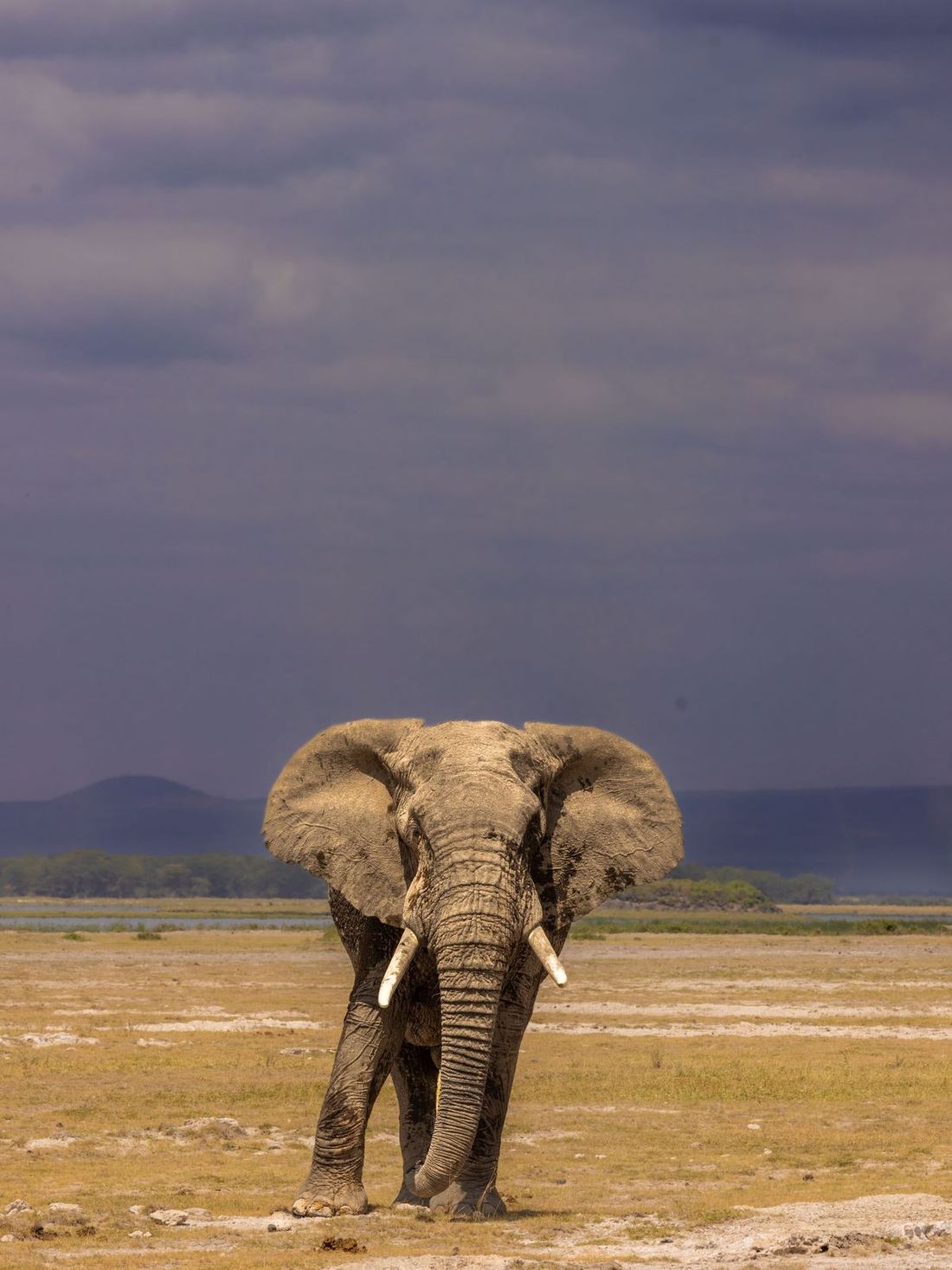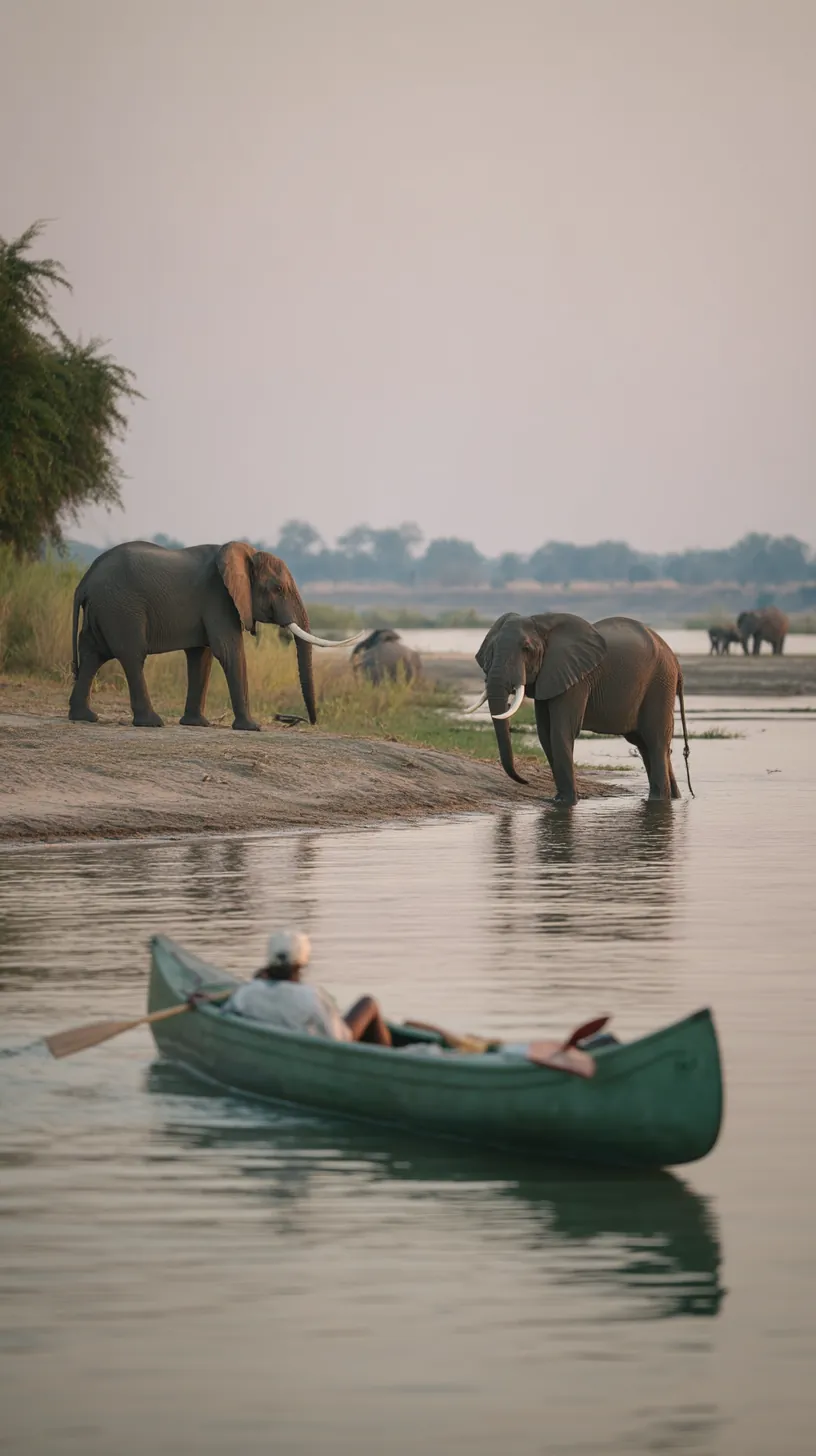
Mana Pools is where bull elephants rise onto their hind legs to reach seed pods in the albida trees, and where buffalo herds drift across the Zambezi floodplain in golden dust. These are among the most photographed wildlife scenes in Africa, which is why so many people search for Mana Pools elephant and buffalo prints.
Why Mana Pools makes such powerful images
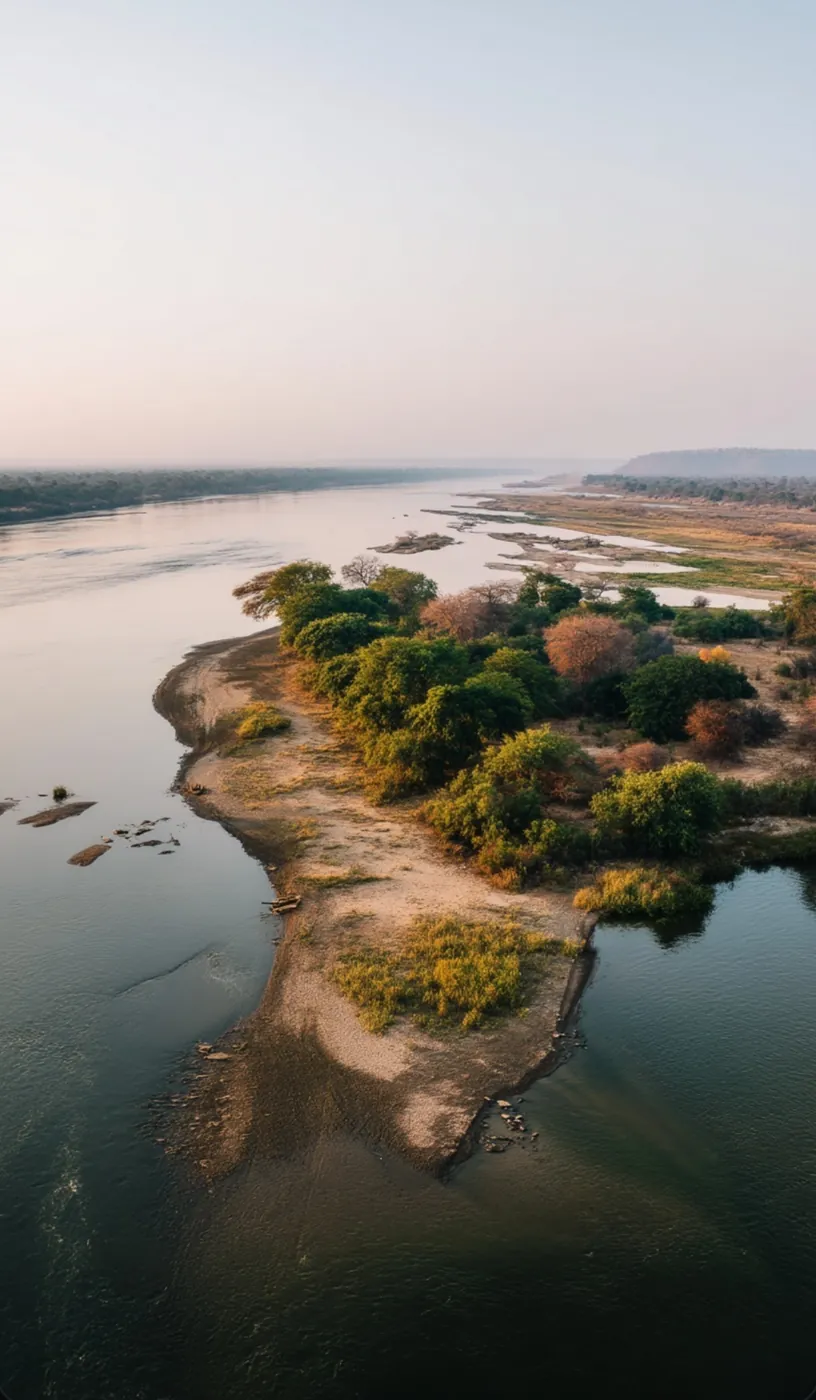
Mana Pools National Park is a UNESCO World Heritage Site on the Zambezi River in northern Zimbabwe. Its floodplain, riverine forest and open woodland give photographers light, space and animals that are unusually relaxed around people. It is also one of the few great African parks where guided walking safaris are permitted, so you can be on the ground, at eye level, with the wildlife. Africa Geographic offers a good overview of the park.
The standing elephants
The park's best-known image is a bull elephant balanced on his hind legs, trunk stretched into the canopy. He is reaching for the pods of the albida tree, also called the ana tree or winterthorn, which is the park's signature tree. Late in the dry season the pods are a rich food source, and the bulls gather beneath the trees to feed. Some individual bulls are known to guides by name, and one, Boswell, became famous for mastering the technique. The behaviour is rarely seen elsewhere, which is why it has become the signature subject of Mana Pools photography.
The buffalo herds
Buffalo are among the park's most abundant animals, and large herds graze the floodplain in the dry season. At dawn and dusk the dust they raise catches the low light and turns a herd into a moving, glowing mass. The scenes are quieter than the elephants, but many collectors find them just as compelling. The floodplain also draws lions and other predators in the dry months, so the herds are often watched closely, and a buffalo herd image often carries that sense of tension.
When to see them
- Standing elephants: the late dry season, when the albida pods ripen, roughly August to October.
- Buffalo herds and predators: the dry months, with activity concentrated around the river from roughly June to October.
- Best light: early morning and late afternoon.
What to look for when collecting wildlife fine art prints
If you want a piece to hang at home, a few details separate a lasting work from a poster. Elementa does not sell prints, so this is general advice for buying from photographers and galleries.
- Edition size. A limited edition with a stated run is more valuable than an open edition.
- Signature and numbering. Look for a signed, numbered print with a certificate of authenticity.
- Paper and ink. Archival pigment prints on cotton rag or fine art paper resist fading for decades.
- Provenance. Buy from the photographer or an authorised gallery, and ask where and when the image was taken.
- Ethics. Prefer work made in the wild, with respect for the animals, and from photographers who give back to conservation.
See them for yourself
Nothing replaces standing beneath the albida trees at first light. Mana Pools is the Zimbabwe leg of our circuit, led on foot by our co-founder TJ, whose guiding experience on the Zambezi helps place you where the light and the animals meet. Read more in our piece on the elephants of Mana Pools and the comparison of Zambia and Zimbabwe walking safaris. Travelling with camera gear? Check the light-aircraft baggage limits first, since camera equipment counts towards your allowance.
Sources: UNESCO World Heritage Centre, Mana Pools and Wikipedia, Mana Pools National Park. Seasonal timings are typical and vary year to year.
Frequently asked questions
Why do elephants stand on their hind legs in Mana Pools?
They are reaching high branches of albida trees for the seed pods that other elephants cannot reach.
When is the best time to see standing elephants?
Late in the dry season, when the pods are ripe, roughly August to October.
Can you walk among elephants in Mana Pools?
Yes. It is one of the few parks where you can walk with a professional guide, and guides know many individual elephants.
What should I look for in a wildlife fine art print?
A limited edition, a signature and certificate, archival materials and a clear provenance.